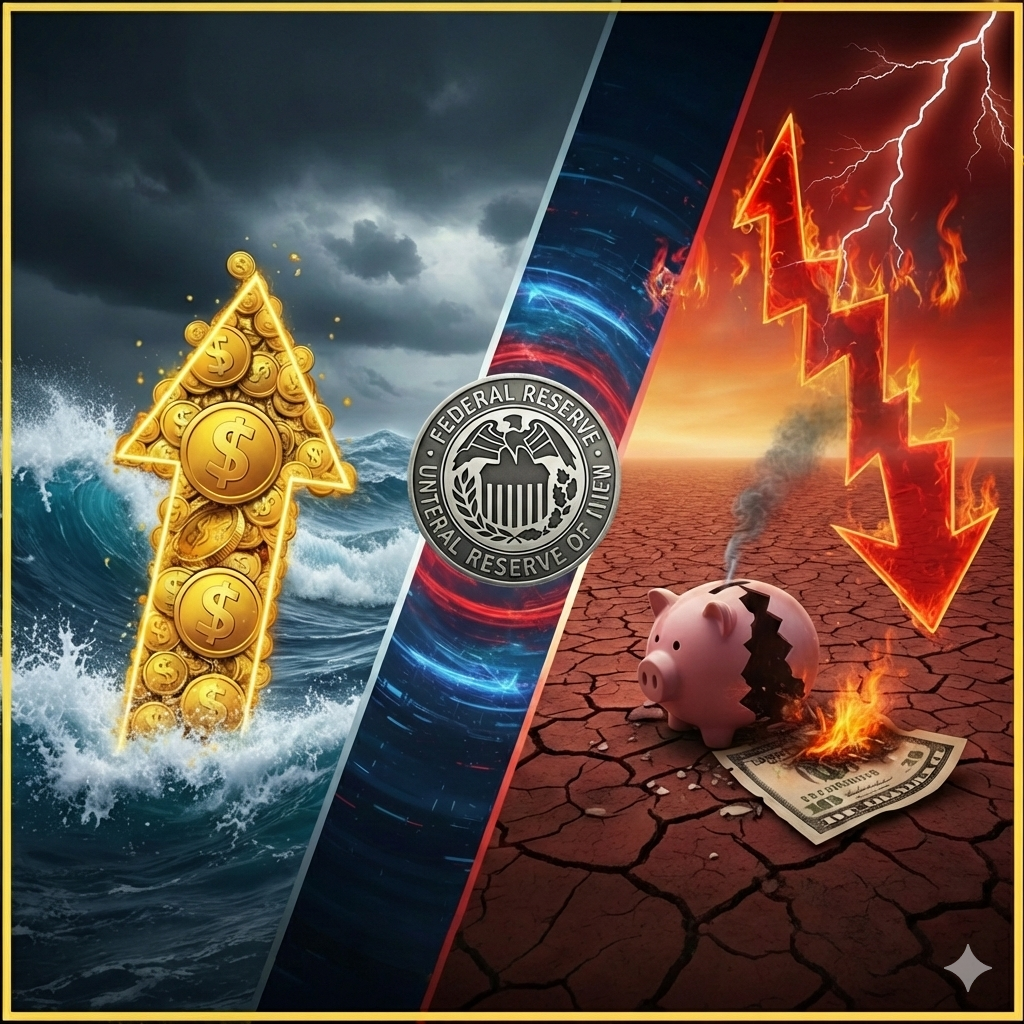
파월의 시대가 가고, ‘워시의 폭풍’이 온다
세계 경제의 대통령이라 불리는 미국 연방준비제도(Fed·연준) 의장의 교체는 단순한 인사 이동 그 이상의 의미를 갖습니다. 제롬 파월 의장의 임기가 2026년 5월로 다가온 가운데, 도널드 트럼프 대통령은 차기 수장으로 케빈 워시(Kevin Warsh)를 지명했습니다.
이번 지명은 금융 시장에 즉각적인 파장을 불러일으켰습니다. 케빈 워시는 과거 연준 이사 시절부터 ‘물가는 선택’이라는 파격적인 주장을 펼쳐온 인물로, 트럼프의 경제 자문 역할을 오랫동안 수행해 왔습니다. 특히 한국 투자자들에게는 쿠팡의 사외이사 출신으로도 잘 알려져 있어 더욱 화제가 되고 있습니다. 과연 케빈 워시 체제의 연준은 우리 자산 시장을 어디로 이끌고 갈까요? 유동성 랠리의 서막일지, 아니면 통제 불능의 인플레이션 서막일지 심층 분석해 봅니다.
Introduction: The Powell Era Ends, and the “Warsh Storm” Begins
The replacement of the Chair of the U.S. Federal Reserve—the figure often referred to as the “President of the global economy”—is far more than a simple personnel change. As Jerome Powell’s term approaches its end in May 2026, former President Donald Trump has nominated Kevin Warsh as the next Chair of the Federal Reserve.
This nomination has sent immediate shockwaves through global financial markets. Kevin Warsh is a figure known for his unconventional view that “inflation is a choice,” a stance he has consistently expressed since his tenure as a Federal Reserve Governor. He has also long served as an economic advisor to Trump. For Korean investors in particular, Warsh is widely recognized as a former outside director of Coupang, which has further amplified the attention surrounding his nomination.
The critical question is this: Where will a Federal Reserve led by Kevin Warsh take global asset markets? Are we witnessing the opening act of a liquidity-driven rally—or the beginning of uncontrollable inflation? This analysis explores both possibilities in depth.
케빈 워시의 철학, “인플레이션은 선택이다”
케빈 워시를 관통하는 핵심 키워드는 ‘물가 목표치의 유연성’입니다. 그는 현재 연준의 성역과도 같은 ‘2% 물가 상승률 목표’에 대해 근본적인 의문을 제기합니다.
워시는 미국 경제가 고성장 가도를 달리고 있다면 3% 수준의 물가 상승률도 충분히 수용 가능하다는 입장입니다. 만약 목표 물가가 3%로 상향 조정된다면, 연준은 현재의 높은 금리를 유지할 명분을 잃게 됩니다. 이는 곧 중립 금리의 하향 조정으로 이어지며, 시장에 막대한 유동성을 공급할 수 있는 이론적 토대가 됩니다. 즉, 금리를 더 공격적으로 낮추어 경제 성장과 자산 가격 상승을 동시에 도모하겠다는 트럼프의 ‘디베이스먼트(Debasement)’ 전략과 정확히 일치하는 행보입니다.
Kevin Warsh’s Philosophy — “Inflation Is a Choice”
The core keyword that defines Kevin Warsh is flexibility in inflation targeting. He fundamentally challenges the Federal Reserve’s near-sacred 2% inflation target.
Warsh argues that if the U.S. economy is on a high-growth trajectory, an inflation rate of around 3% should be entirely acceptable. If the inflation target were raised to 3%, the Federal Reserve would lose its justification for maintaining high interest rates. This would lead to a downward adjustment of the neutral interest rate, providing a theoretical foundation for massive liquidity injections into the market.
In essence, this approach aligns precisely with Trump’s “debasing” strategy—lowering interest rates more aggressively to stimulate economic growth and boost asset prices simultaneously.
유동성 공급의 새로운 병기, 스테이블 코인과 비트코인
워시 체제에서 주목해야 할 또 다른 변화는 디지털 자산에 대한 태도입니다. 그는 단순히 금리 인하에만 의존하는 것이 아니라, 새로운 금융 기술을 유동성 공급의 도구로 활용할 가능성이 높습니다.
첫째는 스테이블 코인(Stablecoin)의 제도화입니다. 워시는 스테이블 코인 발행사들이 담보물로 미국 단기 국채를 적극적으로 매입하게 함으로써, 정부의 국채 발행 부담을 덜어주는 시스템을 지지합니다. 이는 연준이 장기 국채를 사고 스테이블 코인이 단기 국채를 뒷받침하는 새로운 유동성 공급 체계를 의미합니다.
둘째는 비트코인의 전략적 자산 비축입니다. 연준이 보유한 금 자산의 일부를 비트코인으로 전환하거나, 비트코인을 비축 자산으로 확보하려는 의지를 표명할 가능성이 큽니다. 이는 암호화폐 시장에 전례 없는 제도권의 유동성을 공급하는 기폭제가 될 것입니다.
New Instruments of Liquidity — Stablecoins and Bitcoin
Another key shift under a Warsh-led Federal Reserve would be its stance on digital assets. Rather than relying solely on interest rate cuts, Warsh is likely to view emerging financial technologies as tools for liquidity provision.
First, the institutionalization of stablecoins. Warsh supports a system in which stablecoin issuers actively purchase short-term U.S. Treasuries as collateral, thereby alleviating the government’s burden of debt issuance. This would create a new liquidity architecture in which the Federal Reserve purchases long-term Treasuries while stablecoins underpin short-term Treasury demand.
Second, the strategic accumulation of Bitcoin as a reserve asset. The Federal Reserve may signal its intention to convert part of its gold reserves into Bitcoin or to acquire Bitcoin as a strategic reserve asset. Such a move would inject unprecedented institutional liquidity into the cryptocurrency market.
양날의 검, ‘국채 발작(Bond Tantrum)’과 스티프닝 현상
하지만 장밋빛 전망만 있는 것은 아닙니다. 워시의 공격적인 완화 정책은 시장의 신뢰를 무너뜨릴 위험을 내포하고 있습니다. 연준의 독립성을 무시하고 정치적 요구에 따라 금리를 급격히 낮출 경우 ‘국채 발작’ 증세가 나타날 수 있습니다.
시장은 단기 금리 인하에는 환호하지만, 장기적으로 통제 불능의 인플레이션이 올 것을 우려해 장기 국채를 투매하기 시작합니다. 이로 인해 단기 금리는 내려가고 장기 금리는 치솟는 ‘스티프닝(Steepening)’ 현상이 발생하며, 이는 금융 시스템 전반에 큰 혼란을 줄 수 있습니다. 과거 스테그플레이션을 초래했던 아서 번즈 의장의 실책이 재현될 수 있다는 우려가 나오는 이유도 바로 이 지점입니다.
A Double-Edged Sword — “Bond Tantrum” and the Steepening Curve
However, the outlook is not entirely optimistic. Warsh’s aggressive monetary easing carries the risk of undermining market confidence. As warned in the analysis, if the Federal Reserve disregards its independence and slashes interest rates in response to political pressure, symptoms of a “bond tantrum” could emerge.
Markets may initially celebrate lower short-term rates, but long-term investors could begin dumping long-term Treasuries out of fear of runaway inflation. This would result in a “steepening” yield curve—where short-term rates fall while long-term rates surge—triggering widespread turbulence across the financial system.
This is precisely why some observers warn that the mistakes of former Fed Chair Arthur Burns, who contributed to stagflation, could be repeated.
투자자를 위한 대응 전략, ‘유동성 파티’를 즐기되 탈출구를 확인하라
케빈 워시 지명 이후의 시장은 ‘유동성 파티’와 ‘유동성 함정’이 공존하는 기묘한 형태가 될 것입니다. 투자자들은 다음과 같은 관점에서 자산 배분을 재점검해야 합니다.
-
자산 가치 상승에 올라타라: 화폐 가치 하락(디베이스먼트)이 가속화되는 구간이므로, 주식, 부동산, 코인 등 실물 및 위험 자산의 비중을 적절히 유지하는 것이 유리합니다.
-
금리 변동성에 대비하라: 장기 금리의 발작적 상승이 올 때마다 시장은 큰 폭의 조정을 거칠 수 있습니다. 우상향 장세를 가정하되, 변동성을 견딜 수 있는 현금 비중도 확보해야 합니다.
-
디지털 자산의 제도화에 주목하라: 스테이블 코인 전쟁과 비트코인의 비축 자산화는 2026년 이후 경제 트렌드의 핵심이 될 것입니다.
Investment Strategy — Enjoy the Liquidity Party, but Know the Exit
In the post-Warsh era, markets are likely to exhibit a paradoxical coexistence of a “liquidity party” and a “liquidity trap.” Investors should reassess their asset allocation from the following perspectives:
-
Ride the asset inflation trend: As currency debasement accelerates, maintaining appropriate exposure to real and risk assets—such as equities, real estate, and cryptocurrencies—will be advantageous.
-
Prepare for interest rate volatility: Each surge in long-term yields could trigger sharp market corrections. While assuming a long-term upward trend, investors should also secure sufficient cash reserves to withstand volatility.
-
Focus on the institutionalization of digital assets: The battle over stablecoins and the transformation of Bitcoin into a reserve asset will be central economic themes after 2026.
흔들리는 거시경제, 공부하는 자만이 살아남는다
케빈 워시의 등장은 우리에게 위기이자 동시에 거대한 기회입니다. 그는 트럼프의 의중을 받들어 미국의 경제 성장을 극대화하려 하겠지만, 그 과정에서 발생하는 부작용은 고스란히 시장의 변동성으로 나타날 것입니다.
파월 의장이 중시했던 ‘물가 안정’의 원칙이 무너지고, ‘성장과 유동성’이 최우선 가치가 되는 새로운 시대가 열리고 있습니다. 이제 투자자들은 단순히 지표를 읽는 것을 넘어, 연준의 정치적 행보와 디지털 자산의 흐름까지 읽어내는 혜안이 필요합니다. 거시경제의 흐름을 놓치지 않고 끊임없이 학습하는 태도만이 이 혼란스러운 유동성 랠리에서 승자가 되는 유일한 길입니다.
In a Shaken Macro Landscape, Only Those Who Study Survive
The emergence of Kevin Warsh represents both a crisis and a massive opportunity. He will likely attempt to maximize U.S. economic growth in alignment with Trump’s political vision, but the side effects of this process will manifest as heightened market volatility.
The era defined by Powell’s emphasis on price stability is fading, and a new era prioritizing growth and liquidity is emerging. Investors must go beyond reading economic indicators; they must also interpret the political trajectory of the Federal Reserve and the evolving dynamics of digital assets.
In this era of uncertainty and liquidity-driven rallies, only those who continuously study and understand macroeconomic trends will emerge as winners.
⚠️ 본 포스팅은 특정 자산 및 종목에 대한 투자 권유가 아닌 정보 전달을 목적으로 합니다. 모든 투자의 책임은 투자자 본인에게 있습니다.
[출처] 본 블로그 글은 김광석 교수(경제 읽어주는 남자)의 통찰을 바탕으로, 케빈 워시 지명자가 가져올 거시경제적 변화와 투자 전략을 중심으로 심도 있게 분석한 포스팅입니다.