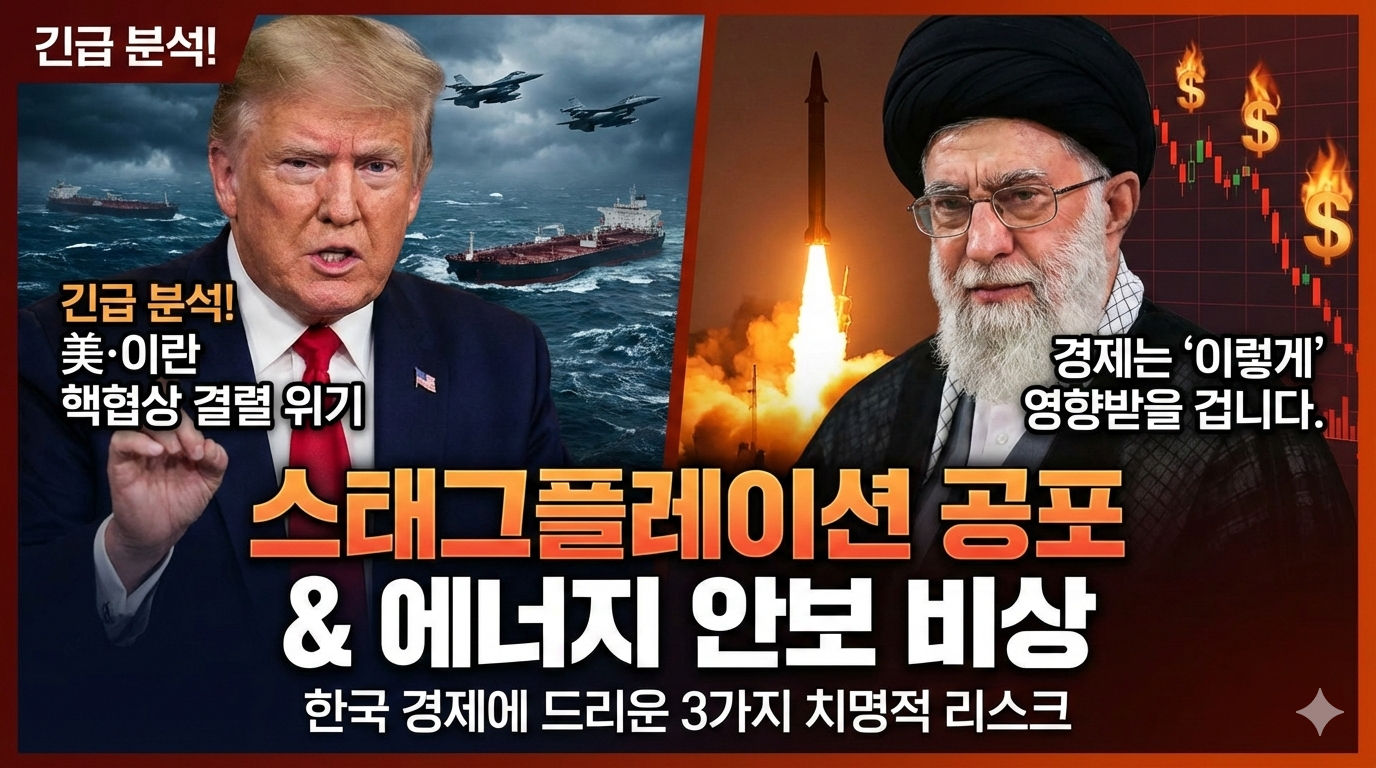
대전환의 시대, 지정학적 리스크가 경제를 압도하다
오늘날 세계 경제는 과거 그 어느 때보다 불확실한 외생 변수에 노출되어 있습니다. 경제 내부의 요인인 ‘내생 변수’보다, 국가 간의 갈등이나 전쟁과 같은 ‘외생 변수’가 시장의 향방을 결정짓는 시대가 도래한 것입니다. 특히 최근 급격히 악화되고 있는 미국과 이란 사이의 핵협상 상황은 단순한 지역적 분쟁을 넘어 전 세계 에너지 공급망과 금융 시장에 심대한 타격을 줄 수 있는 메가톤급 변수로 부상하고 있습니다.
최근의 미·이란 사태를 통해 우리가 직면한 경제적 위기의 실체를 분석하며, 특히 트럼프 대통령의 귀환과 맞물린 미국의 ‘페이백(Payback)’ 정책이 국제 질서를 어떻게 재편하고 있는지 분석해봅니다. 본 글에서는 미·이란 핵협상의 현재 상황과 그 이면에 숨겨진 정치적 계산, 그리고 이것이 한국 경제와 글로벌 금융 시장에 미칠 구체적인 영향에 대해 심층적으로 분석해 보고자 합니다.
The Era of Great Transition: Geopolitical Risk Overwhelms the Economy
Today’s global economy is exposed to external uncertainties more than ever before. Rather than endogenous variables arising within economic systems, exogenous factors—such as conflicts and wars between nations—are increasingly determining the direction of markets. In particular, the rapidly deteriorating nuclear negotiations between the United States and Iran have emerged as a megaton-level variable capable of inflicting severe damage on the global energy supply chain and financial markets, far beyond a mere regional dispute.
Through the recent U.S.–Iran tensions, we examine the true nature of the economic crisis we now face—especially how President Trump’s return and America’s “Payback” policy are reshaping the international order. This article provides an in-depth analysis of the current status of U.S.–Iran nuclear negotiations, the political calculations behind them, and the concrete implications for the Korean economy and global financial markets.
트럼프의 ‘페이백 타임’과 새로운 미국 우선주의
트럼프 행정부의 대외 정책을 관통하는 핵심 키워드는 ‘대가(Payback)’입니다. 트럼프 대통령은 과거 20세기 동안 미국이 제1, 2차 세계대전을 비롯한 수많은 분쟁에서 자유민주주의 수호를 위해 막대한 자금과 인명을 희생했다는 점을 강조합니다. 그는 이제 그 혜택을 입은 국가들이 미국에 정당한 대가를 지불해야 할 때라고 주장합니다.
이러한 논리는 한국과 일본, 그리고 독일과 같은 동맹국뿐만 아니라 적대국인 이란에게도 동일하게 적용됩니다. 미국은 호르무즈 해협의 안전을 보장하기 위해 지출한 천문학적인 방위비와 노력을 언급하며, 이제는 전 세계가 그 비용을 분담하거나 미국의 요구에 무조건적으로 응해야 한다는 압박을 가하고 있습니다. 이는 조지 워싱턴과 같은 초기 건국 지도자들이 보여주었던 민주주의적 겸손함과는 거리가 먼, 철저히 실리적이고 강권적인 대통령 중심제의 모습으로 변모했음을 의미합니다.
Trump’s “Payback Time” and a New America First Doctrine
The core keyword penetrating the foreign policy of the Trump administration is “Payback.” President Donald Trump emphasizes that throughout the 20th century, the United States sacrificed enormous financial resources and human lives to defend liberal democracy in numerous conflicts, including World Wars I and II. He argues that the nations that benefited from those sacrifices must now pay their fair share.
This logic applies not only to allies such as South Korea, Japan, and Germany, but also to adversaries like Iran. The United States points to the astronomical defense expenditures and efforts made to secure the Strait of Hormuz, pressuring the world either to share the burden or comply unconditionally with American demands. This marks a transformation from the democratic humility exemplified by early founding leaders such as George Washington into a thoroughly pragmatic and forceful presidential approach.
이란 내부의 균열과 핵협상의 교착 상태
현재 이란은 내부적으로 심각한 진통을 겪고 있습니다. 2010년 자스민 혁명과 유사한 시민 혁명의 물결이 이란 전역을 덮치고 있으며, 이는 단순한 정치적 자유를 넘어 경제적 부패에 대한 분노에서 기인했습니다. 이란의 최고 종교 지도자들과 기득권 세력이 연루된 은행 사기 사건은 시민들의 재산을 앗아갔고, 이는 결국 ‘바자르’ 지역 상인들을 중심으로 한 대규모 저항으로 번졌습니다.
미국은 이러한 이란 내부의 민주화 열망을 핵협상의 지렛대로 활용하고 있습니다. 무고한 시민들의 희생을 명분 삼아 이란 정권을 압박하는 동시에, 핵농축 포기를 강력히 요구하고 있습니다. 그러나 이란 역시 물러서지 않고 있습니다. “우리만 죽지 않는다”는 기조 아래, 공격을 받을 시 텔아비브와 중동 내 미군 기지를 향해 수천 발의 미사일을 발사하겠다는 배수진을 치고 있습니다. 이러한 강 대 강의 대치는 도하와 아부다비에서 진행되는 비밀 회담조차 무색하게 만들며 협상을 교착 상태로 몰아가고 있습니다.
Internal Fractures in Iran and the Deadlock in Nuclear Talks
Iran is currently experiencing severe internal turmoil. A wave of civic unrest—reminiscent of the 2010 Jasmine Revolution—has swept across the country. This movement stems not only from demands for political freedom but also from anger over economic corruption. Banking fraud scandals involving top religious leaders and entrenched elites have stripped citizens of their savings, sparking large-scale protests centered around merchants in the bazaar districts.
The United States is leveraging these internal democratic aspirations as a bargaining chip in nuclear negotiations. While citing the suffering of innocent civilians to pressure the Iranian regime, Washington is forcefully demanding a halt to uranium enrichment. Iran, however, remains defiant. Under the principle that “we will not perish alone,” it has threatened to launch thousands of missiles toward Tel Aviv and U.S. military bases in the Middle East if attacked. Such brinkmanship has rendered even secret talks in Doha and Abu Dhabi ineffective, pushing negotiations into a stalemate.
글로벌 패권 경쟁과 핵군축의 종말
미·이란 사태의 배후에는 러시아와 중국이라는 거대 세력의 움직임이 자리 잡고 있습니다. 1972년 닉슨 대통령 시대부터 이어져 온 핵 감축 협의가 54년 만에 사실상 종료되면서, 세계는 다시금 핵 무장 경쟁의 시대로 진입했습니다. 특히 중국은 미국의 핵 감축 제안을 거부하고 향후 1,000개 이상의 핵탄두를 추가로 확보하겠다는 야욕을 드러내고 있습니다.
이러한 상황에서 이란의 핵 문제는 단순히 한 국가의 무장을 막는 문제가 아니라, 새로운 세계 질서 속에서 핵 통제권을 누가 쥐느냐의 싸움이 되었습니다. 러시아는 이란과의 밀착을 통해 미국의 영향력을 견제하고 있으며, 트럼프 대통령은 이란의 핵농축이 임계점에 도달했다는 명분을 내세워 필요하다면 이라크 전쟁 당시와 같은 직접적인 군사 행동이나 친미 정권 수립을 위한 비밀 공작을 감행할 가능성도 배제할 수 없습니다.
Global Power Competition and the End of Nuclear Arms Reduction
Behind the U.S.–Iran crisis lie the strategic maneuvers of Russia and China. Nuclear arms reduction efforts that began in 1972 during the era of President Richard Nixon have effectively come to an end after 54 years, ushering the world back into an era of nuclear arms competition. China, in particular, has rejected U.S. proposals for further reductions and signaled ambitions to secure more than 1,000 additional nuclear warheads.
In this context, Iran’s nuclear issue is no longer simply about preventing one nation’s armament—it is a struggle over who will control nuclear governance in the emerging world order. Russia seeks to counterbalance U.S. influence through closer ties with Iran, while President Trump may invoke claims that Iran’s enrichment has reached a critical threshold to justify potential direct military action—similar to the Iraq War—or covert operations aimed at establishing a pro-American regime.
한국 경제에 드리운 검은 그림자: 에너지와 물가
미·이란 갈등이 군사적 충돌로 번질 경우, 한국 경제가 입을 타격은 치명적입니다. 한국은 원유 수입의 약 70%, 액화천연가스(LNG) 수입의 약 30%를 중동 지역에 의존하고 있습니다. 특히 그 대부분이 통과하는 호르무즈 해협이 봉쇄되거나 분쟁 지역화될 경우, 에너지 공급망은 즉각적인 마비 상태에 빠지게 됩니다.
- 공급망 비용의 폭발적 상승: 운송 비용 증가, 보험료 급등, 원자재 가격 상승은 생산 단가를 높여 국내 기업들의 경쟁력을 약화시킵니다.
- 스태그플레이션(Stagflation)의 공포: 경기 침체 속에서 물가만 오르는 스태그플레이션은 1, 2차 오일쇼크 당시의 악몽을 재현할 수 있습니다. 이는 소비 위축과 투자 감소로 이어져 한국 경제의 성장 동력을 갉아먹을 것입니다.
- 에너지 안보 위기: 수입 다변화가 단기간에 이루어지기 어려운 구조상, 중동 발 에너지 위기는 국가 기간 산업 전체를 흔드는 안보 위기로 직결됩니다.
A Dark Shadow Over the Korean Economy: Energy and Inflation
If U.S.–Iran tensions escalate into military conflict, the damage to South Korea would be severe. Korea depends on the Middle East for approximately 70% of its crude oil imports and 30% of its liquefied natural gas (LNG) imports. Much of this energy passes through the Strait of Hormuz. If the strait were blockaded or turned into a conflict zone, the energy supply chain would face immediate paralysis.
-
Explosive Supply Chain Costs: Rising transportation expenses, soaring insurance premiums, and surging raw material prices would increase production costs and erode the competitiveness of domestic firms.
-
The Fear of Stagflation: Economic stagnation combined with rising prices could recreate the nightmare of the first and second oil shocks, suppressing consumption and investment while undermining growth momentum.
-
Energy Security Crisis: Given the structural difficulty of diversifying imports in the short term, a Middle East–driven energy shock would escalate into a full-scale national security crisis affecting key industries.
금융 시장의 변동성과 트럼프의 정치적 도박
금융 시장은 이러한 지정학적 위기에 민감하게 반응할 것입니다. 하지만 미국 주식 시장의 경우 그 타격이 예상보다 제한적일 수 있습니다. 미국은 이미 세계 제1의 석유 수출국으로 거듭났으며, 셰일 가스 등 가용 가능한 자원을 동원해 충격을 흡수할 능력을 갖추고 있기 때문입니다. 시장의 흔들림은 일시적일 수 있지만, 그 변동성은 투자자들에게 상당한 스트레스로 작용할 것입니다.
중요한 것은 트럼프 대통령의 정치적 타이밍입니다. 오는 11월과 12월에 예정된 중간 선거는 그의 결단에 큰 영향을 미칠 것입니다. 이란 사태를 성공적으로 해결하여 지지율을 끌어올릴 것인가, 아니면 실패하여 탄핵의 위기까지 몰릴 것인가 하는 정치적 도박이 핵협상의 버튼을 누를지 말지를 결정하는 핵심 요인이 될 것입니다.
Financial Market Volatility and Trump’s Political Gamble
Financial markets will react sensitively to such geopolitical risks. However, the U.S. stock market’s damage may be more limited than expected. The United States has become the world’s leading oil producer and exporter, with the capacity to mobilize shale resources to absorb shocks. While turbulence may be temporary, volatility will place significant stress on investors.
Crucially, President Trump’s political timing matters. The midterm elections scheduled for November and December will heavily influence his decisions. Whether he can resolve the Iran crisis successfully to boost approval ratings—or fail and face potential impeachment risks—constitutes a political gamble that could determine whether the button on nuclear negotiations is ultimately pushed.
위기의 파고를 넘기 위한 전략적 대응
미국과 이란의 핵협상 위기는 단순한 먼 나라의 이야기가 아닙니다. 이는 우리의 주유소 기름값, 식탁 물가, 그리고 일자리와 직결된 생존의 문제입니다. 트럼프의 ‘페이백’ 요구와 이란의 강경한 저항, 그리고 이를 둘러싼 열강들의 수 싸움 속에서 한국은 더욱 냉철한 전략을 세워야 합니다.
우선, 에너지 수입선의 다변화와 전략 비축유 확보를 통해 공급망 리스크를 최소화해야 합니다. 또한, 지정학적 변수로 인한 금융 시장의 급변동에 대비해 거시 경제 정책의 유연성을 확보하는 것이 시급합니다. 세계 질서가 재편되는 혼돈의 시기, 우리는 외생 변수의 파도에 휩쓸리지 않도록 경제적 자생력을 키우고 기민하게 대응하는 지혜를 발휘해야 할 때입니다.
Strategic Responses to Overcome the Wave of Crisis
The collapse of U.S.–Iran nuclear negotiations is not a distant issue. It directly affects gasoline prices at the pump, grocery bills on our tables, and employment prospects. Amid Trump’s “Payback” demands, Iran’s defiance, and the strategic maneuvers of major powers, South Korea must adopt a more calculated strategy.
First, it must minimize supply chain risks by diversifying energy import sources and expanding strategic petroleum reserves. Second, it must ensure macroeconomic policy flexibility to respond to financial market volatility triggered by geopolitical shocks.
In this turbulent era of shifting global order, the challenge for Korea is clear: to strengthen economic resilience and respond swiftly and wisely, so as not to be swept away by the waves of exogenous risk.
#미이란핵협상 #지정학적리스크 #트럼프정책 #중동정세 #에너지안보 #호르무즈해협 #스태그플레이션 #한국경제전망 #유가급등 #경제전문가분석 #USIranNuclearTalks #GeopoliticalRisk #TrumpPolicy #MiddleEastTensions #EnergySecurity #StraitOfHormuz #Stagflation #KoreanEconomicOutlook #OilPriceSurge #EconomicAnalysis
⚠️ Disclaimer
This post is intended for informational purposes only and does not constitute investment advice or a recommendation for any specific asset or stock. All investment decisions and responsibilities rest solely with the investor.
[출처] 본 블로그 글은 ‘경제마스터 곽수종’의 영상을 참고하여 내용을 분석하고 정리한 글입니다. 영상의 일부 내용과 흐름을 바탕으로 작성되었으며, 원본 영상의 저작권은 해당 제작자에게 있습니다. 문제 발생 시 즉시 수정 또는 삭제하겠습니다.